

 Adan Kendric
 Jamie Oliver’s Sweet Shortcrust Pastry is a reliable baking staple that forms the base of many classic desserts, from fruit tarts to custard pies. It’s crisp yet tender, lightly sweet without being cloying, and easy to handle once you understand the method. The goal is a pastry that holds its shape, cuts cleanly, and melts gently in the mouth rather than crumbling apart.
This recipe makes enough pastry for one 23–25 cm tart tin and takes about 30–35 minutes, plus chilling time. Below is a detailed, step-by-step guide to help you achieve a smooth dough and a perfectly baked pastry case every time.
What Makes This Recipe Worth Making
- Crisp but tender texture – holds fillings without turning soggy
- Light sweetness – complements both fruity and creamy fillings
- Simple, classic method – easy to master with practice
- Versatile base – works for tarts, pies, and dessert cases
- Freezer-friendly dough – ideal for make-ahead baking
What Is Jamie Oliver Sweet Shortcrust Pastry?
Jamie Oliver’s Sweet Shortcrust Pastry is a classic sweet pastry made by rubbing cold butter into flour, adding sugar and egg to form a soft dough. It’s designed to bake up crisp and golden while remaining delicate enough to cut cleanly.
Jamie Oliver’s Sweet Shortcrust Pastry Ingredients List
- 250 g plain flour
- 125 g cold unsalted butter, cut into cubes
- 100 g icing sugar
- 1 large egg
- Pinch of salt

How to Prepare Jamie Oliver’s Sweet Shortcrust Pastry – Simple Steps
Step 1: Combine flour and butter
Place the flour, icing sugar, salt, and cold butter into a bowl. Using your fingertips, rub the butter into the flour until the mixture resembles fine breadcrumbs. Work lightly and quickly to avoid warming the butter.
Step 2: Add the egg
Add the egg to the bowl and gently mix with a fork or your hands until the dough just comes together. Avoid kneading, as this can make the pastry tough.
Step 3: Form and chill the dough
Bring the dough together into a flat disc. Wrap it in cling film and refrigerate for at least 20–30 minutes. Chilling relaxes the gluten and makes the pastry easier to roll.
Step 4: Roll out the pastry
Lightly flour a clean surface and rolling pin. Roll the chilled dough out evenly to about 3 mm thickness, turning it regularly to prevent sticking.
Step 5: Line the tart tin
Carefully lift the pastry into the tin, pressing it gently into the corners without stretching. Trim off excess pastry and prick the base lightly with a fork.
Step 6: Chill again
Place the lined tin back in the fridge for 15 minutes. This helps prevent shrinkage during baking.
Step 7: Blind bake
Line the pastry with baking paper and fill with baking beans. Bake at 180°C (160°C fan) for 15 minutes, then remove the beans and paper and bake for another 5–8 minutes until lightly golden.
Common Mistakes to Avoid When Making Sweet Shortcrust Pastry
- Overworking the dough leads to tough pastry
- Skipping chilling time – causes shrinkage
- Stretching the pastry into the tin results in uneven sides
- Underbaking the base leads to a soggy tart
What to Use Jamie Oliver’s Sweet Shortcrust Pastry For
- Fruit tarts – apples, berries, or citrus
- Custard and cream pies – smooth fillings pair well
- Jam tarts – classic and simple
- Chocolate tart bases – balance rich fillings

Expert Tips to Get Jamie Oliver’s Sweet Shortcrust Pastry Right
- Keep ingredients cold – especially the butter
- Handle lightly – less mixing equals better texture
- Roll evenly – consistent thickness bakes better
- Blind bake properly – ensures a crisp base
How to Add More Flavour to Sweet Shortcrust Pastry
- Lemon or orange zest – adds gentle fragrance
- Vanilla sugar – softens sweetness
- Ground almonds (small amount) – adds richness
- Cocoa powder – for chocolate pastry variations
Best Way to Store Sweet Shortcrust Pastry
- Wrap dough tightly – prevents drying
- Refrigerate raw dough – up to 2 days
- Freeze uncooked pastry – up to 1 month
Best Ways to Reuse or Reheat Baked Pastry
- Refresh in the oven – low heat for a few minutes
- Fill once cooled – keeps pastry crisp
- Avoid microwaving – softens the crust
Nutritional Value (Per Serving)
- Calories: ~220 kcal
- Carbohydrates: ~28 g
- Protein: ~4 g
- Fat: ~10 g
FAQs
Why Is My Sweet Shortcrust Pastry Crumbly and Hard to Roll?
Sweet shortcrust pastry becomes crumbly when there isn’t enough moisture or the butter is too cold. Letting the dough rest briefly at room temperature before rolling helps it soften and roll smoothly.
How Do I Stop Sweet Shortcrust Pastry From Shrinking?
Chilling the pastry twice—once after making the dough and again after lining the tin—helps prevent shrinkage. Avoid stretching the pastry when placing it in the tin.
Should I Blind Bake Sweet Shortcrust Pastry for All Fillings?
Yes, blind baking is recommended for most sweet fillings, especially custards and fruit tarts. It ensures the base stays crisp and doesn’t turn soggy after adding the filling.
Can I Freeze Sweet Shortcrust Pastry Dough?
Yes, sweet shortcrust pastry dough freezes well. Wrap it tightly and freeze for up to one month. Thaw overnight in the fridge before rolling.
Final Words
Jamie Oliver Sweet Shortcrust Pastry is a foundation recipe worth mastering. With a light touch, proper chilling, and careful baking, it delivers a crisp, elegant base that elevates any dessert you build on top of it.
More recipes to add to your list
PrintJamie Oliver sweet shortcrust pastry
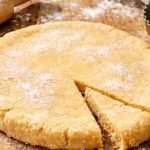
Jamie Oliver Sweet Shortcrust Pastry is a classic sweet pastry made by rubbing cold butter into flour, adding sugar and egg to form a soft dough. It’s designed to bake up crisp and golden while remaining delicate enough to cut cleanly.
- Prep Time: 20
- Cook Time: 25
- Total Time: 45 minutes
- Yield: 4 1x
- Category: Pastry
- Method: Baking
- Cuisine: British
Ingredients
-
- 250 g plain flour
-
- 125 g cold unsalted butter, cut into cubes
-
- 100 g icing sugar
-
- 1 large egg
-
- Pinch of salt
Instructions
Place the flour, icing sugar, salt, and cold butter into a bowl. Using your fingertips, rub the butter into the flour until the mixture resembles fine breadcrumbs. Work lightly and quickly to avoid warming the butter.
Add the egg to the bowl and gently mix with a fork or your hands until the dough just comes together. Avoid kneading, as this can make the pastry tough.
Bring the dough together into a flat disc. Wrap it in cling film and refrigerate for at least 20–30 minutes. Chilling relaxes the gluten and makes the pastry easier to roll.
Lightly flour a clean surface and rolling pin. Roll the chilled dough out evenly to about 3 mm thickness, turning it regularly to prevent sticking.
Carefully lift the pastry into the tin, pressing it gently into the corners without stretching. Trim off excess pastry and prick the base lightly with a fork.
Place the lined tin back in the fridge for 15 minutes. This helps prevent shrinkage during baking.
Line the pastry with baking paper and fill with baking beans. Bake at 180°C (160°C fan) for 15 minutes, then remove the beans and paper and bake for another 5–8 minutes until lightly golden.